




Data-driven decisions.
Decision-making in a business is a complex process that can be significantly improved through structured methodologies and the right information. The more data a company has and the better it is organized, the greater the potential to describe the company’s current state and train models capable of predicting future trends.
While experience remains a key pillar, its impact is maximized when combined with up-to-date, well-structured data that is clearly presented to facilitate analysis and actionable insights.
There are various methodologies that help organize and systematize decision-making. The Data-Driven Decision Making (DDDM) approach focuses on utilizing measurable data at every stage of the decision-making process.
Develop products and services aligned with your customers' expectations.

Design Thinking
Design Thinking is an innovative approach to problem-solving that places the user at the center of the design process. This methodology, widely used in designing products, services, and experiences, is based on interdisciplinary collaboration and empathy to develop solutions that truly meet user needs. Through a series of iterative steps, Design Thinking enables transforming complex challenges into innovation opportunities.
What is Design Thinking?
Design Thinking is a five-stage process aimed at understanding and solving problems in a creative and innovative way. The stages of the process are: Empathize, Define, Ideate, Prototype, and Test. Each stage allows for deep exploration of user needs, the generation of innovative ideas, and the creation of tangible solutions that can be quickly evaluated and adjusted.
Empathize: The first step in Design Thinking is to thoroughly understand the end-user and their problems. This involves conducting interviews, observations, and studies to gather valuable insights into the customer’s needs and desires.
Define: From the collected information, the core problem that needs to be solved is defined. This phase helps focus the team’s efforts on a specific challenge, making it easier to align around clear objectives.
Ideate: In this phase, teams generate a wide range of possible ideas and solutions. Creativity and collaboration are encouraged, with the goal of exploring all possibilities without dismissing any idea.
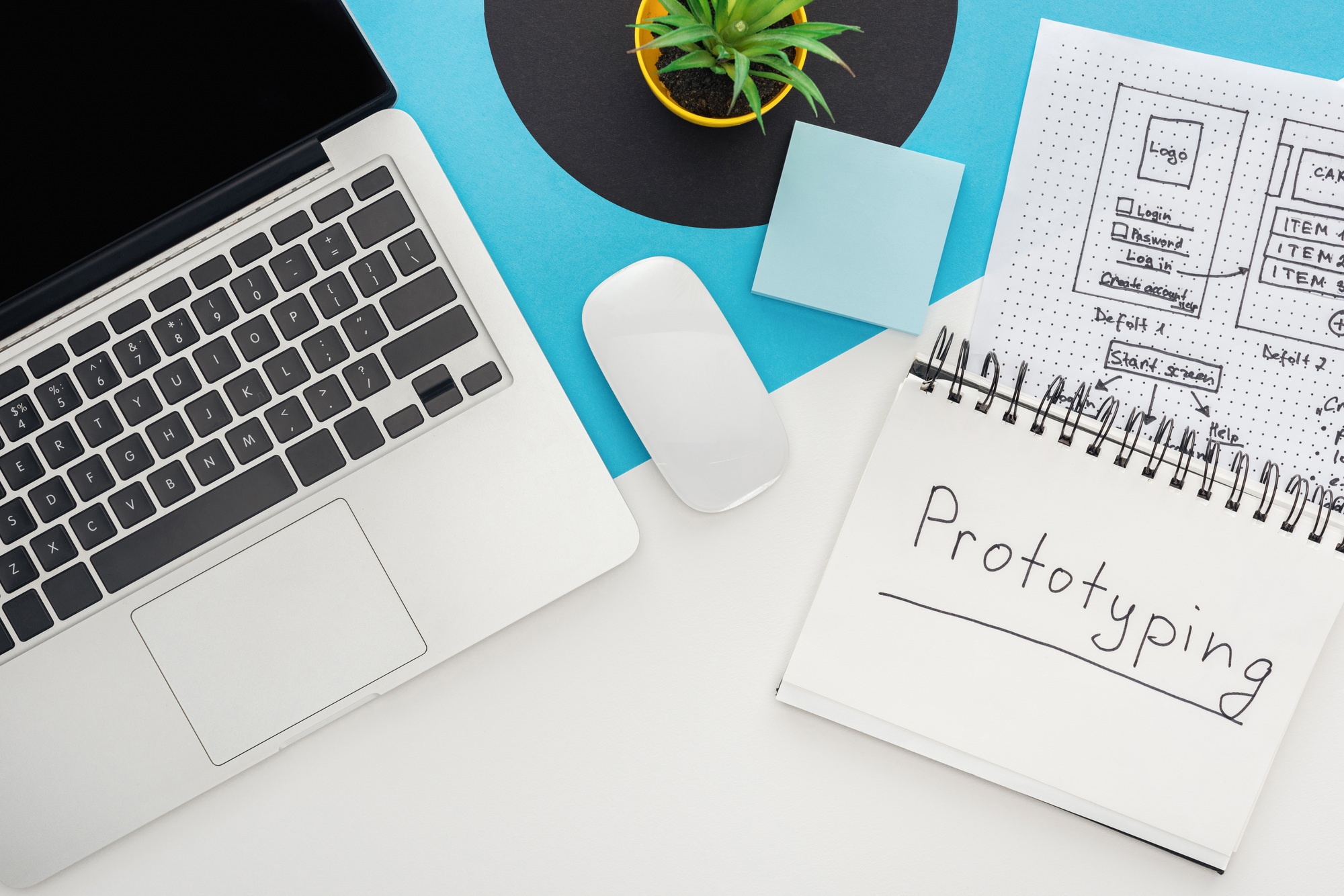
Prototype: Once ideas are generated, prototypes are built to visualize and test the proposed solutions. Prototypes can be simple and quick, allowing teams to gather early feedback.
Test: Finally, the prototypes are tested with real users to assess their effectiveness. The feedback received in this stage may lead to new iterations and adjustments, ensuring that the final solution is the best possible.
Key Benefits of Design Thinking
Design Thinking offers numerous advantages, making it a highly effective methodology for innovation and problem-solving:
User-Centered: The main benefit of Design Thinking is its focus on the end user. By involving users from the outset, the solutions designed are more relevant and effective, enhancing customer satisfaction and engagement.
Creativity and Innovation: This approach fosters creativity and allows teams to generate out-of-the-box solutions. By promoting collaboration across disciplines, it maximizes the potential for innovation.
Rapid Iteration: Solutions are quickly prototyped and tested, enabling early adjustments in the process. This improves efficiency and reduces the risk of product launch failure.
Solving Complex Problems: Design Thinking is ideal for tackling complex and ambiguous problems. By focusing on the user and utilizing rapid iterations, effective and practical solutions can be found for difficult challenges.
Risk Reduction: The ability to test and refine ideas as they progress helps reduce the risks of investing in solutions that may not work, ensuring the final product aligns with user expectations.


When to Apply Design Thinking?
Design Thinking is suitable for a wide range of situations, but it is particularly useful in the following cases:
Development of Innovative Products: When the goal is to create new products that address real user needs, Design Thinking is an ideal methodology to ensure the outcome is both functional and desired.
Improving Customer Experience: In projects aimed at enhancing customer experience, such as redesigning user interfaces or optimizing services, Design Thinking helps identify key areas for improvement and generate effective solutions.
Solving Complex Problems: When problems are complex or poorly defined, such as in the creation of new services or process restructuring, Design Thinking provides a clear framework to understand challenges and find solutions.
Service Innovation: Companies looking to innovate their services, especially those in highly competitive industries, can use Design Thinking to stay relevant and continuously improve their offerings.